Warming oceans and a changing climate are resulting in extreme weather patterns which have brought about an increase of infectious diseases—both new and re-emerging. These extreme weather patterns are creating extended rainy seasons in some areas, and extended periods of drought in others, as well as introducing new climates to different regions. These extended seasons are creating climates that are able to sustain vectors for longer periods of time, allowing them to multiply rapidly, and also creating climates that are allowing the introduction and survival of new vectors.
Impact of Warmer and Wetter Climates
Mosquito-borne diseases are probably the greatest threat to humans as they include malaria, elephantiasis, Rift Valley fever, yellow fever, and dengue fever. Studies are showing higher prevalence of these diseases in areas that have experienced extreme flooding and drought. Flooding creates more standing water for mosquitoes to breed; as well, shown that these vectors are able to feed more and grow faster in warmer climates. As the climate warms over the oceans and coastal regions, warmer temperatures are also creeping up to higher elevations allowing mosquitoes to survive in areas they had never been able to before. As the climate continues to warm there is a risk that malaria will make a return to the developed world.
Ticks are also thriving in the warmer temperatures allowing them to feed and grow at a faster rate. The black legged tick, a carrier of Lyme disease, when not feeding, spends its time burrowed in soil absorbing moisture. Ticks die when the climate either becomes too cold or when the climate becomes too dry, causing the ticks to dry out. The natural environmental controls that used to keep the tick populations in check are disappearing, and warmer and wetter climates are allowing the ticks to breed and grow at an alarming rate, resulting in an increase in Lyme disease, both in existing areas and in areas where it has not been seen before.

“The most fundamental way to protect ourselves from zoonotic diseases is to prevent destruction of nature. Where ecosystems are healthy and biodiverse, they are resilient, adaptable and help to regulate diseases.”
“Science points to causes of COVID-19”. United Nations Environmental Programm. United Nations. Retrieved 2 June 2020.
Impact of Warmer Oceans
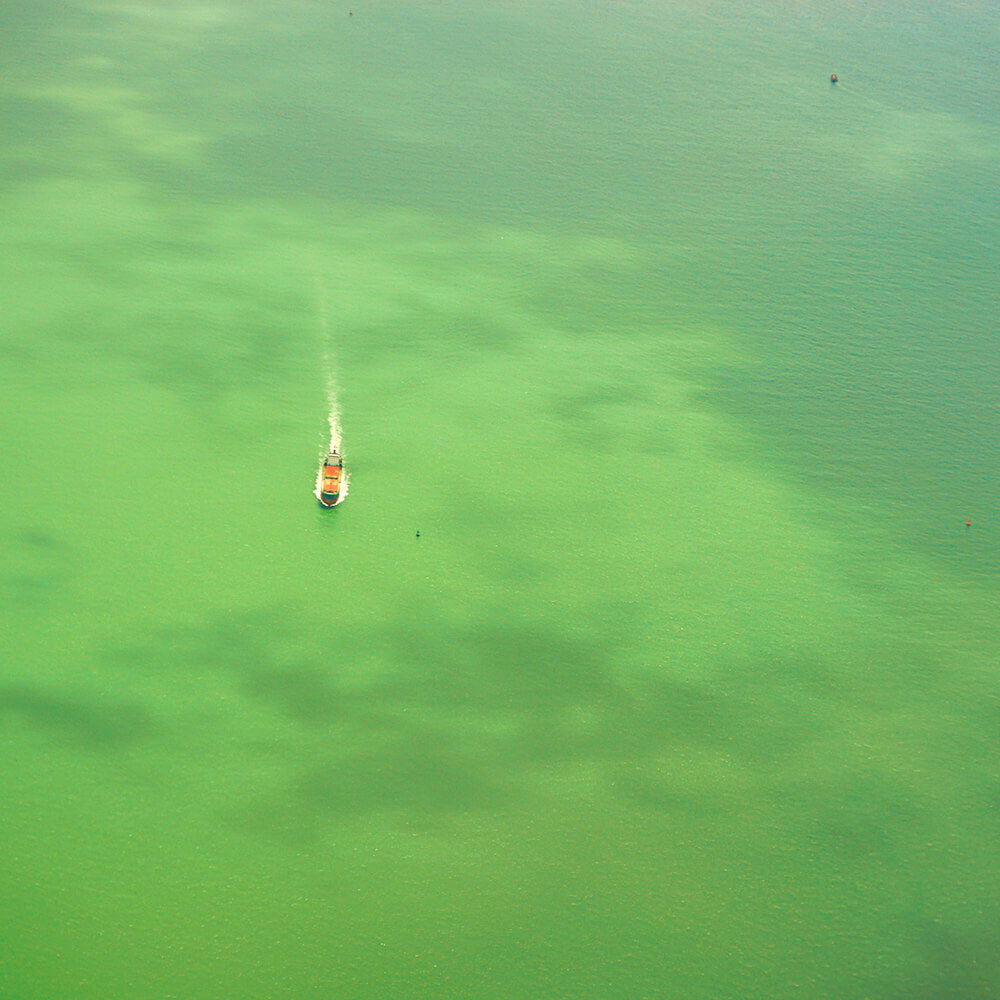
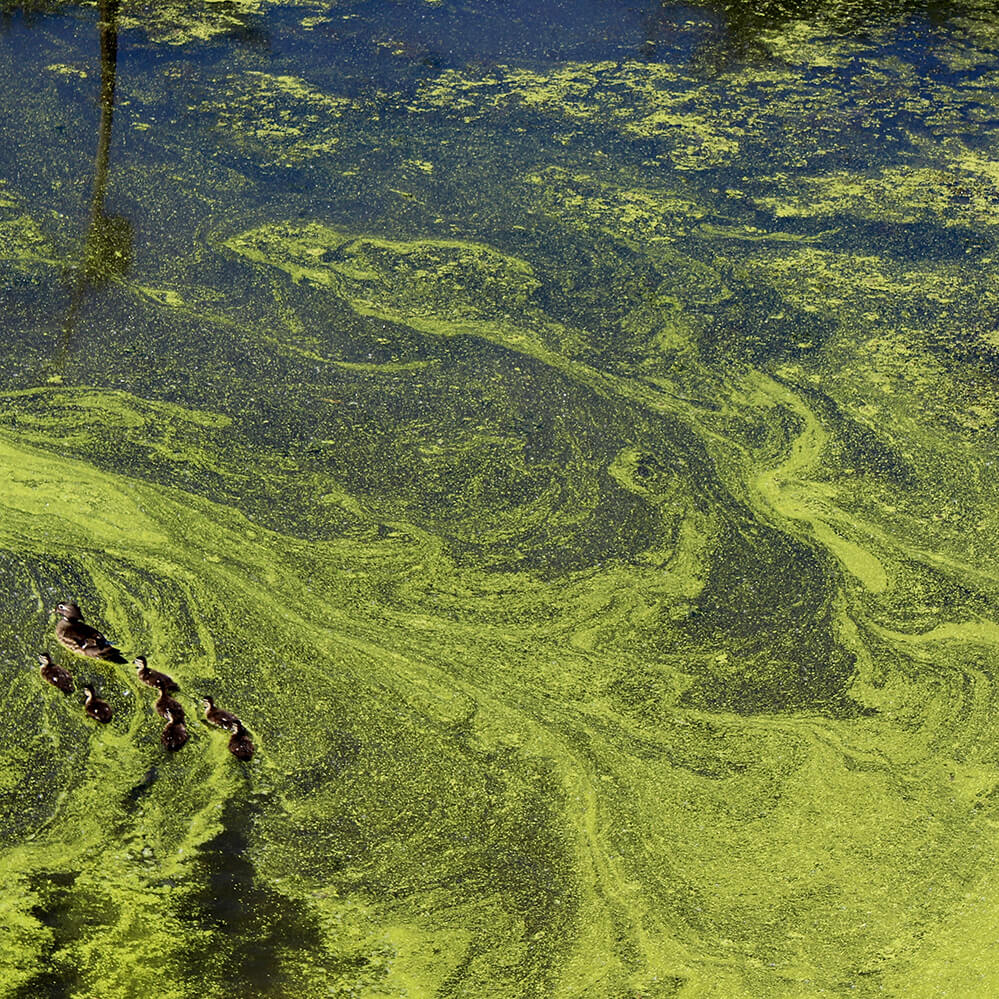
The warming oceans are becoming a breeding ground for toxic algae blooms (also known as red tides) and cholera. As the nitrogen and phosphorus levels in the oceans increase, the cholera bacteria that lives within zooplankton emerge from their dormant state. The changing winds and changing ocean currents push the zooplankton toward the coastline, carrying the cholera bacteria, which then contaminate drinking water, causing cholera outbreaks. As flooding increases there is also an increase in cholera epidemics as the flood waters that are carrying the bacteria are infiltrating the drinking water supply. El Nino has also been linked with cholera outbreaks because this weather pattern warms the shoreline waters, causing the cholera bacteria to multiply rapidly.