Another area of concern is the effect of climate change on the nutritional content of food for human consumption. Studies show that increasing atmospheric levels of CO2 have an unfavourable effect on the nutrients in plants. As the carbon concentration in the plant's tissues increase, there is a corresponding decrease in the concentration of elements such as nitrogen, phosphorus, zinc and iodine. Of significant concern is the protein content of plants, which also decreases in relation to elevating carbon content.


Irakli Loladze explains that the lack of essential nutrients in crops contributes to the problem of micronutrient malnutrition in society, commonly known as “hidden hunger”; despite adequate caloric intake, the body still is not nutritionally satisfied and therefore continues to be “hungry”. This problem is aggravated by the rising cost of food, resulting in a global shift towards diets which are less expensive, but high in calories, fats, and animal products. This results in undernutrition and an increase in obesity and diet-related chronic diseases.
Countries worldwide are already impacted by deficiencies in micronutrients and are seeing the effects in the health of their populations. Iron deficiency affects more than 3.5 billion people; increasing maternal mortality and hindering cognitive development in children, leading to education losses. Iodine deficiency leads to ailments like goitre, brain damage and cretinism and is a problem in at least 130 different countries. Even though these deficiencies are invisible, they have great potential to impact human health on a global scale.
Drinking Water
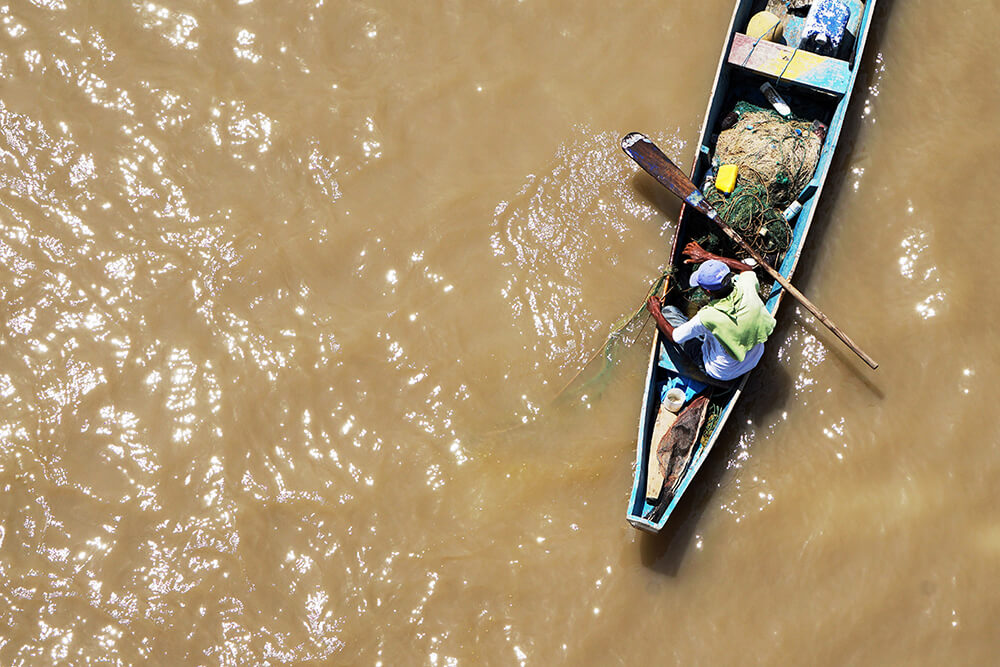
Global Health Corps reports that interruptions in the regular water supply, "forces rural and impoverished families to resort to drinking the dirty, sediment-and-parasite-laden water that sits in puddles and small pools on the surface of the earth." Many are aware of the presence of contamination, but will drink from these sources nonetheless in order to avoid dying of dehydration.
It has been estimated that up to 80% of human illness in the developing world can be attributed to contaminated water.