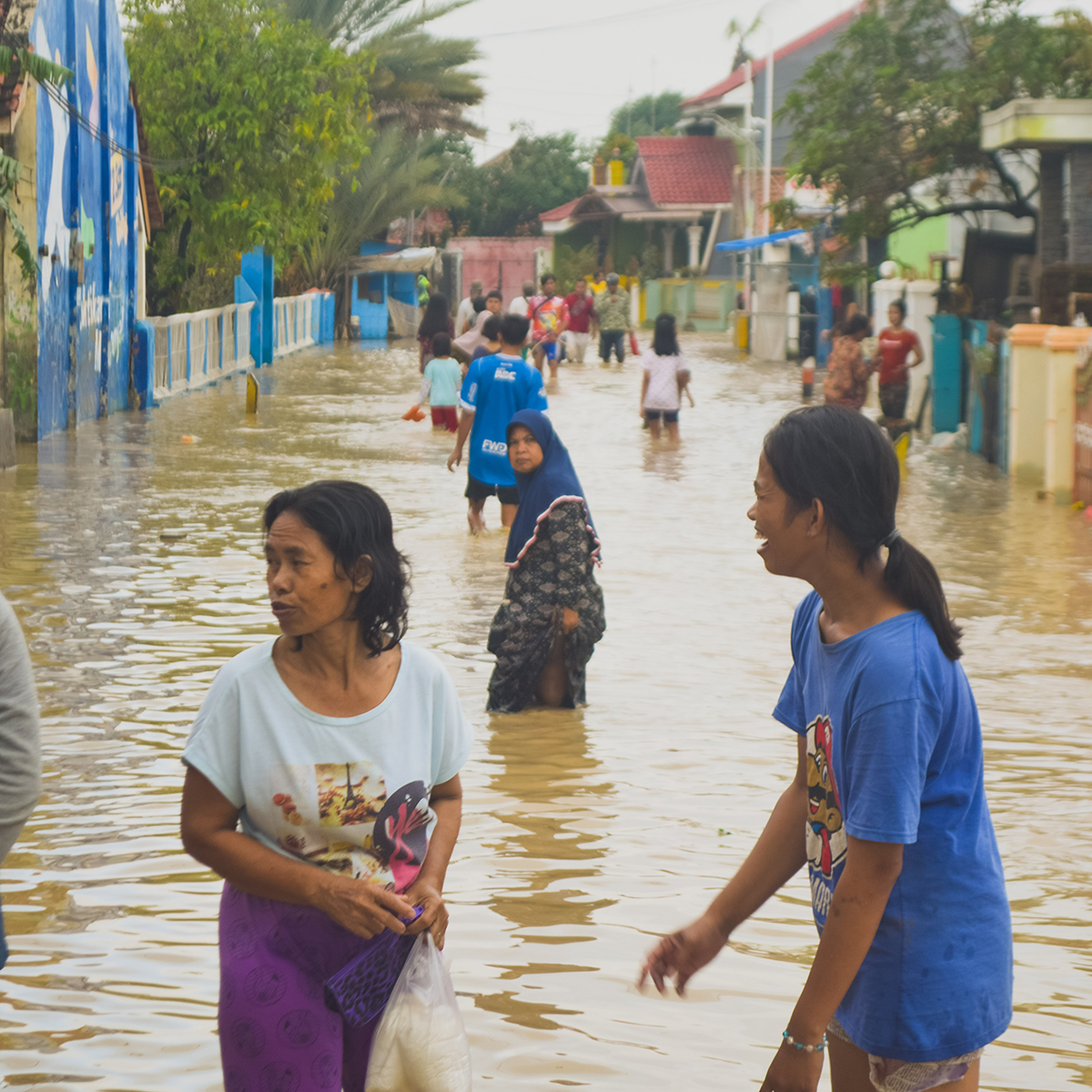
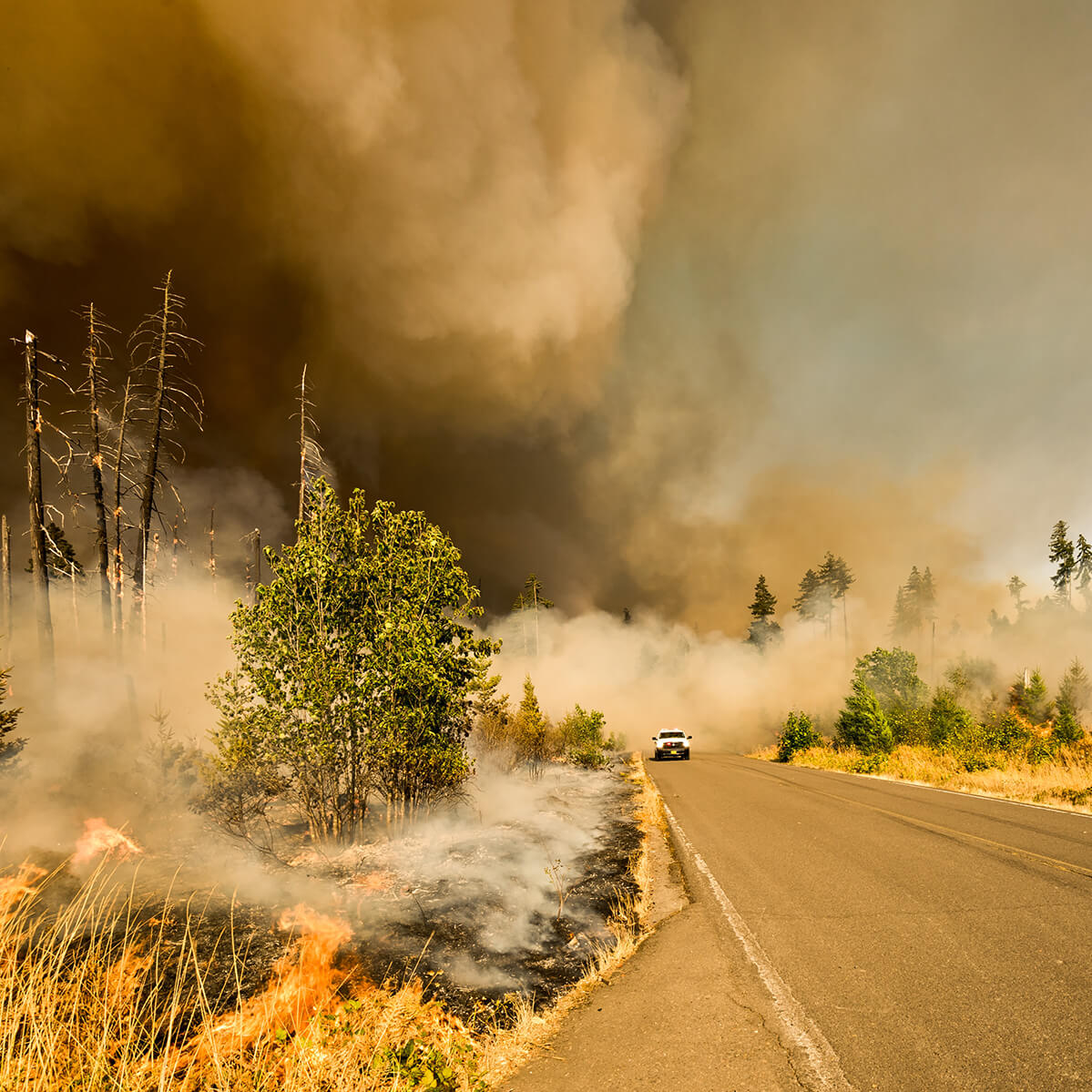
Climate change causes displacement of people in several ways, the most obvious—and dramatic—being through the increased number and severity of weather-related disasters which destroy homes and habitats causing people to seek shelter or livelihoods elsewhere. Slow onset phenomena, including effects of climate change such as desertification and rising sea levels gradually erode livelihoods and force communities to abandon traditional homelands for more accommodating environments. This is currently happening in areas of Africa's Sahel, the semi-arid belt that spans the continent just below its northern deserts. Deteriorating environments triggered by climate change can also lead to increased conflict over resources which in turn can displace people.
Extreme environmental events are increasingly recognised as a key driver of migration across the world. According to the Internal Displacement Monitoring Centre, more than 42 million people were displaced in Asia and the Pacific during 2010 and 2011, more than twice the population of Sri Lanka. This figure includes those displaced by storms, floods, and heat and cold waves. Still others were displaced drought and sea-level rise. Most of those compelled to leave their homes eventually returned when conditions improved, but an undetermined number became migrants, usually within their country, but also across national borders. Asia and the Pacific is the global area most prone to natural disasters, both in terms of the absolute number of disasters and of populations affected. It is highly exposed to climate impacts, and is home to highly vulnerable population groups, who are disproportionately poor and marginalised. A recent Asian Development Bank report highlights “environmental hot spots” that are particular risk of flooding, cyclones, typhoons, and water stress.